"AI chatbot for business: what it can and cannot do"
Most articles about an AI chatbot for business are trying to sell you one, so they only tell you the good half. This one gives you both halves, because a chatbot set up on false promises annoys your customers and costs you the trust you were trying to build. An AI chatbot is a piece of your website that answers visitor questions in a conversation, in plain language, at any hour. Done well, it catches enquiries you would otherwise lose overnight and on weekends. Done badly, it makes things up, frustrates people, and sends them away. The difference is almost entirely in how honest you are about its limits.
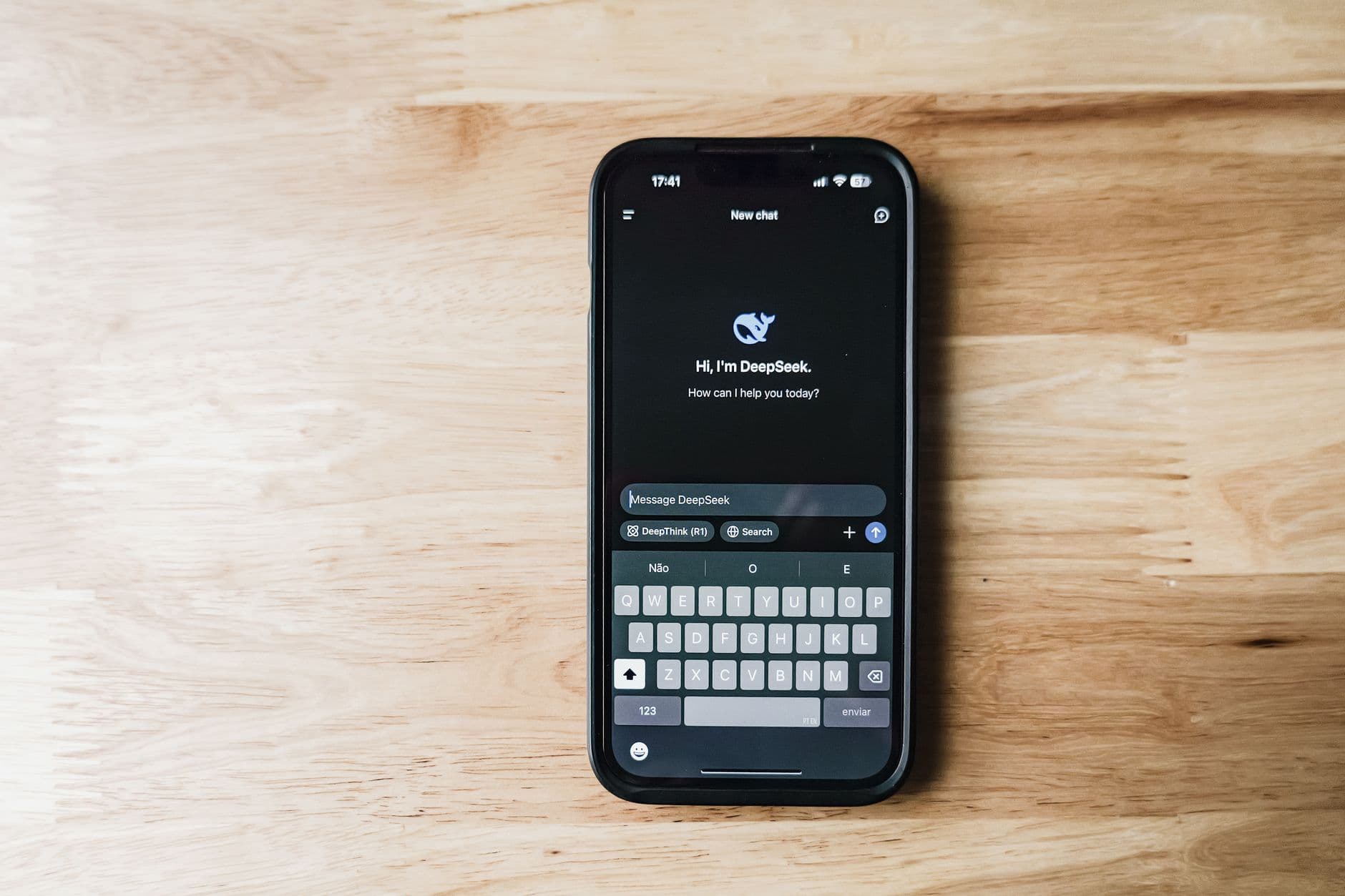
What a chatbot does well
Start with what it is genuinely good at, because it is worth real money.
It answers your common questions instantly. Opening hours, delivery, parking, whether you take a certain payment, do you do a certain service, how much roughly. The same handful of questions you answer twenty times a day. The bot handles them from facts you gave it, day or night.
It captures enquiries when you are closed. A visitor lands at 10pm ready to book. Without a bot they hit a contact form and often leave. With one they get an answer, and if they want to go further, their name and request get captured so you can follow up first thing.
It guides people to the right next step. Point them at the booking page, the right service, the right form. It reduces the "I could not find it so I left" problem.
It handles volume without getting tired. On a busy day it answers fifty people at once, all politely, none waiting.
Wired to the rest of your setup, the chatbot and the AI that answers and books can capture the enquiry and pass a clean, detailed handoff to a human instead of a vague "someone messaged us."
What a chatbot cannot do, and should not pretend to
Now the half the sales pages skip.
It should not answer questions it was not taught. An AI language model will happily generate a confident, wrong answer if you let it. If a customer asks something outside what you gave it, the right behaviour is "let me get a person for that," not a guess. A bot that invents a price or a policy creates a problem you then have to clean up. Insist on a setup that admits when it does not know.
It cannot handle the emotional or the unusual. An upset customer, a complaint, a delicate situation. A bot should recognise it is out of its depth and hand off to a human fast. Pushing a frustrated person through a script makes them angrier.
It is not a salesperson closing a deal. It answers and routes. The judgement, the negotiation, the reading of a hesitant customer, that is still human work. Treat the bot as a fast, tireless first responder, not a closer.
It will not fix bad information. If your prices are out of date or your hours are wrong in what you fed it, it will confidently repeat the mistake. Garbage in, garbage out, at speed.
It is not a replacement for a person on anything that matters. It is a filter that handles the routine so your people spend their time on the enquiries that actually need them.
Where the honest line sits
The rule that keeps a chatbot useful instead of embarrassing is simple. Let it be brilliant at the boring, repetitive, high-volume questions. Make it hand off everything else cleanly and quickly to a human, with the context captured so the customer does not have to repeat themselves.
A chatbot that knows its limits and passes on the hard stuff feels helpful. A chatbot that tries to be everything and bluffs feels like a wall between the customer and a real answer. Customers can tell the difference within two messages.
Setting one up so it actually helps
A few things separate a chatbot that earns its keep from one you switch off after a month.
Feed it real, current facts. Your actual services, prices, hours, policies, and the real questions people ask. The quality of its answers is the quality of what you gave it.
Write the handoff rules clearly. Decide exactly when it should stop and fetch a human, and make that trigger easily. Err on the side of handing off.
Keep the tone yours. It should sound like your business, not a generic assistant. Plain, friendly, in your language. If you serve customers in two languages, it should handle both properly.
Handle the data right. Chats contain customer details. Store them in the right place under EU and UK rules and do not let them leak. This is part of a serious setup, not an extra.
Watch what it says. Read a sample of real conversations in the first weeks. You will spot the questions it fumbles and the answers you need to add. A chatbot improves by being corrected, not by being left alone.
The realistic verdict
An AI chatbot for business is a good tool with clear edges. Inside those edges, answering the routine flood of questions and catching enquiries out of hours, it pays for itself quickly, usually as part of a care plan in the 29 to 349 EUR per month range depending on scope. Outside those edges, if you expect it to think, sell, or handle the sensitive stuff, it disappoints.
If you want an honest read on whether a chatbot would help your specific business, and how to set the handoff so it never bluffs a customer, send us your site and within 48 hours you get a short human report. No pitch. Sometimes the answer is that missed call text back would help you more than a chatbot, and we will tell you that too.
Want to see where you lose customers?
Get a free audit. Within one working day you get a short, human report on what is broken.